Nomadic Pop Decay
Early works made in New York: Tatar symbols, American comics, Cyrillic lettering and industrial textures on reclaimed drywall panels. Includes the works shown in the exhibition Nomadic Fragments (1984).
entries in preparationPerforated iron sculptures
Anthropomorphic figures cut by hand from industrial sheet metal, lit from within with warm lights. Produced between the shipyards of Mazara del Vallo and the countryside of Etna.
entries in preparationThe War of the Uth and the Dum
A cycle of archaic, fierce painting dedicated to an ancient symbolic conflict of controversial origin.
entries in preparationHomages on Forex
A limited series on Forex panels dedicated to Roy Lichtenstein, Keith Haring and Robert Rauschenberg: chromatic distortions and surface alterations applied to Pop Art aesthetics.
entries in preparation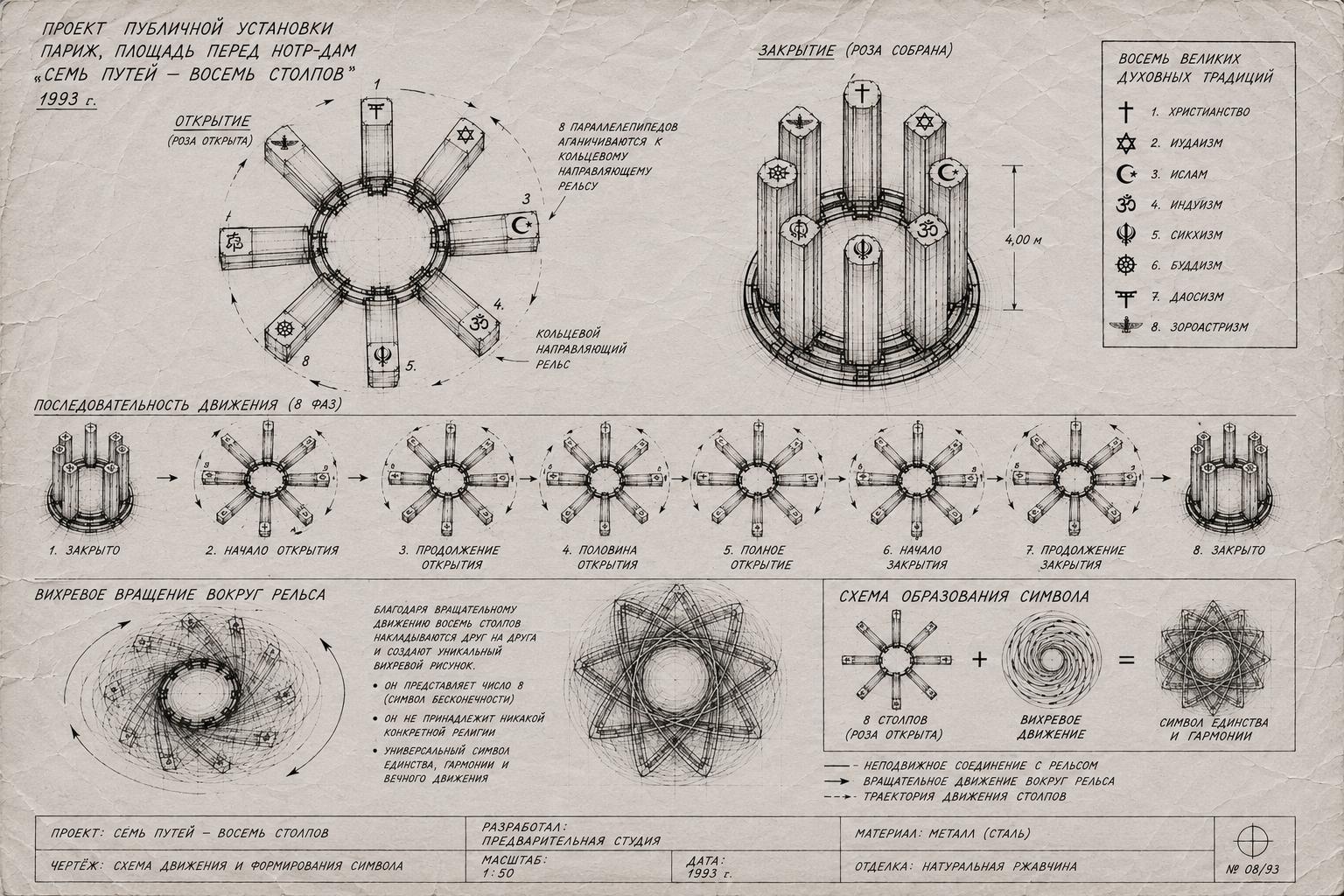
Installations
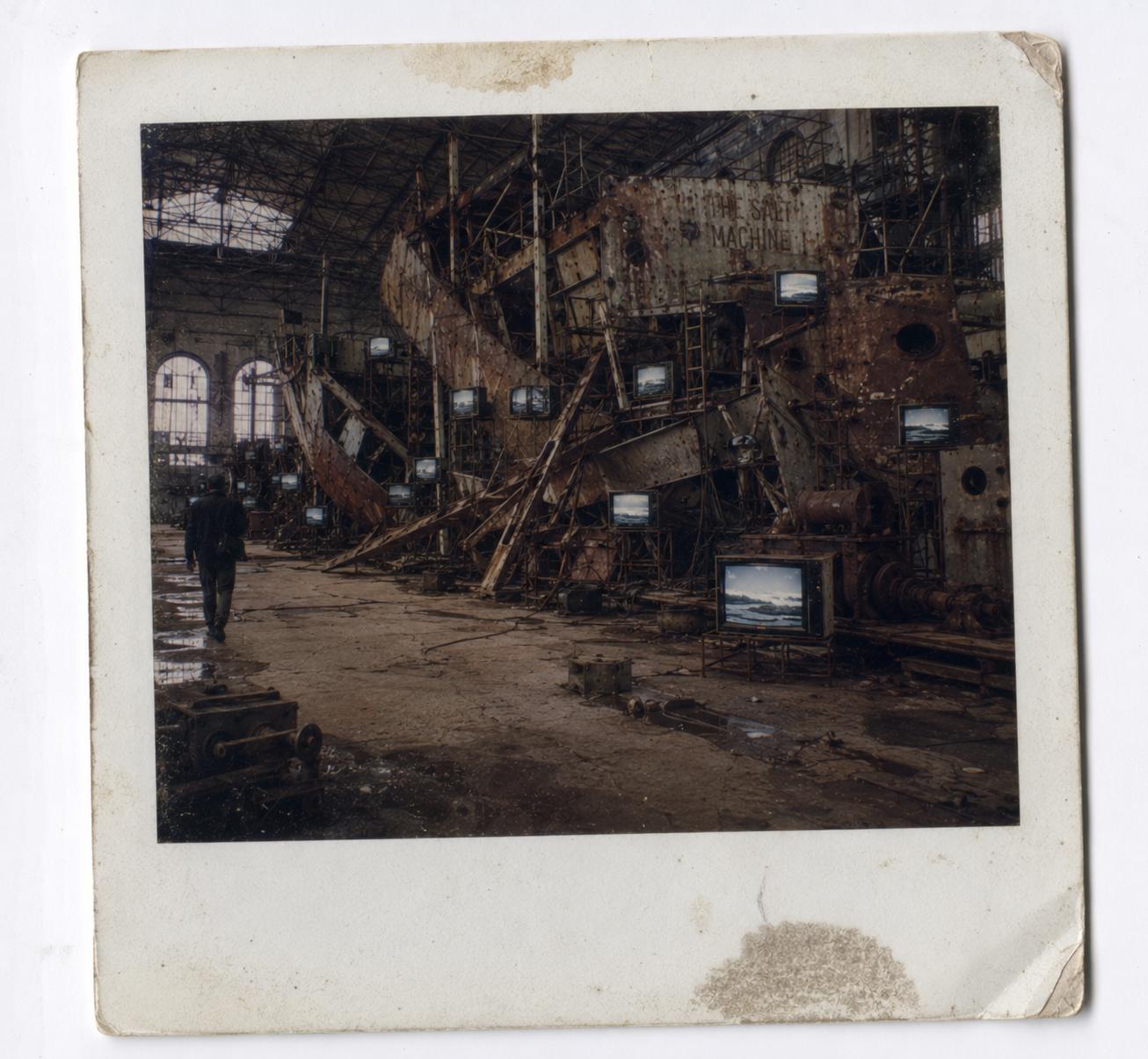
Large installations made with materials recovered from shipwrecks, abandoned railway stations and refineries. Includes The Salt Machine and the unrealised 1993 project for the forecourt of Notre-Dame Sept Voies – Sept Colonnes (which introduced the techniques of Siderical Pareidolia and Oxidography).
Abracadabra and Liturgical Squares
Works inspired by archaic symbols, ritual formulas and magic words: the Abracadabra cycle, the magic squares Mater and Pater inspired by the Sator square, and the Liturgical Squares cycle engraved on iron, shown in Paris in 2018 (Langues de Fer).
entries in preparationEach entry in the final catalogue will include, where available: title, year, technique and materials, dimensions, provenance, status of the work (extant, lost, or subjected to the Rite of Restitution), and reference bibliography.